A Moment with Vegan Japanese Summer Curry
Musu
Zen In Onigiri
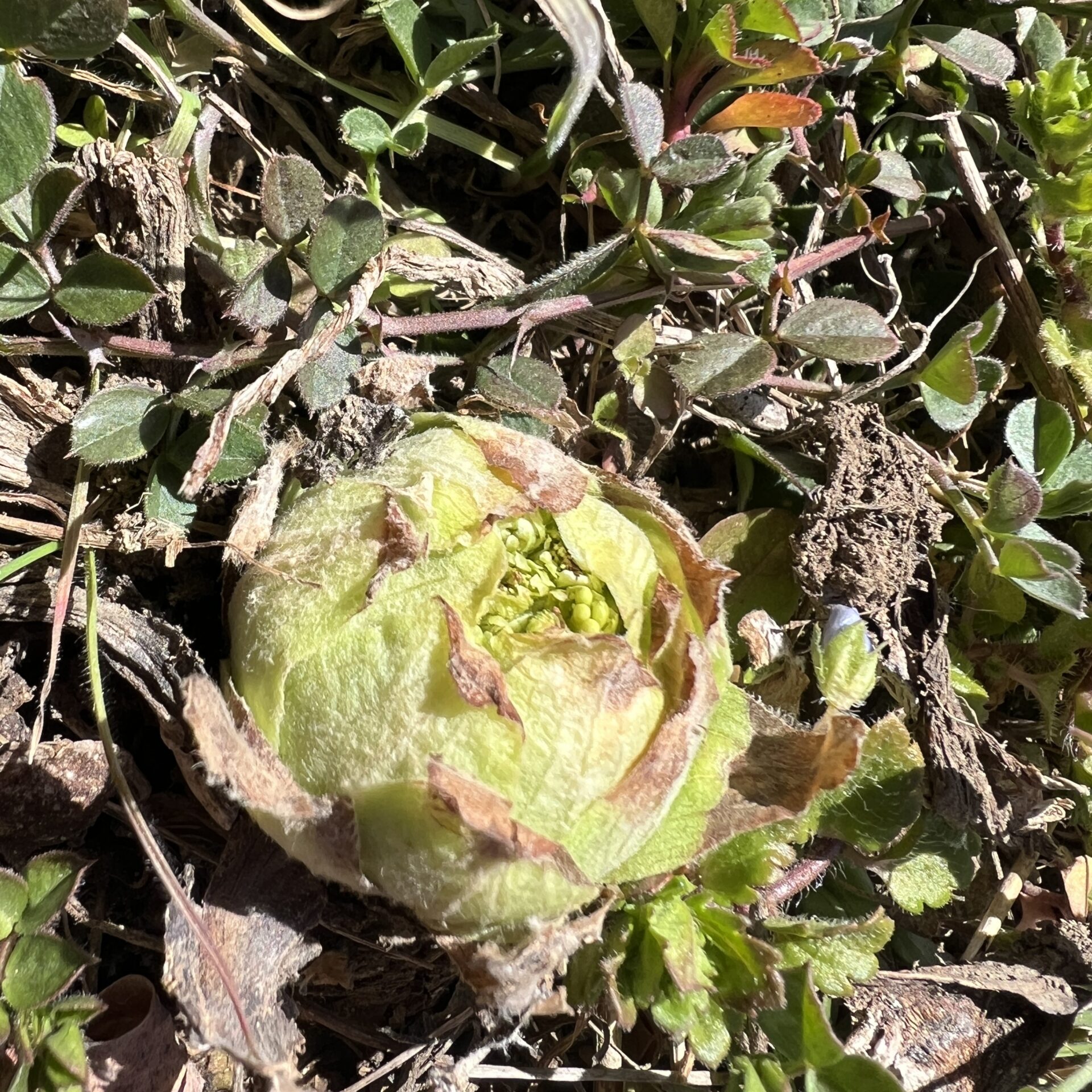
Spring is just around the corner in Japan…! Walking through the park, I can feel the advent of springtime― the gentle air, a subtle shift in light, and flower bulbs ready to flourish.
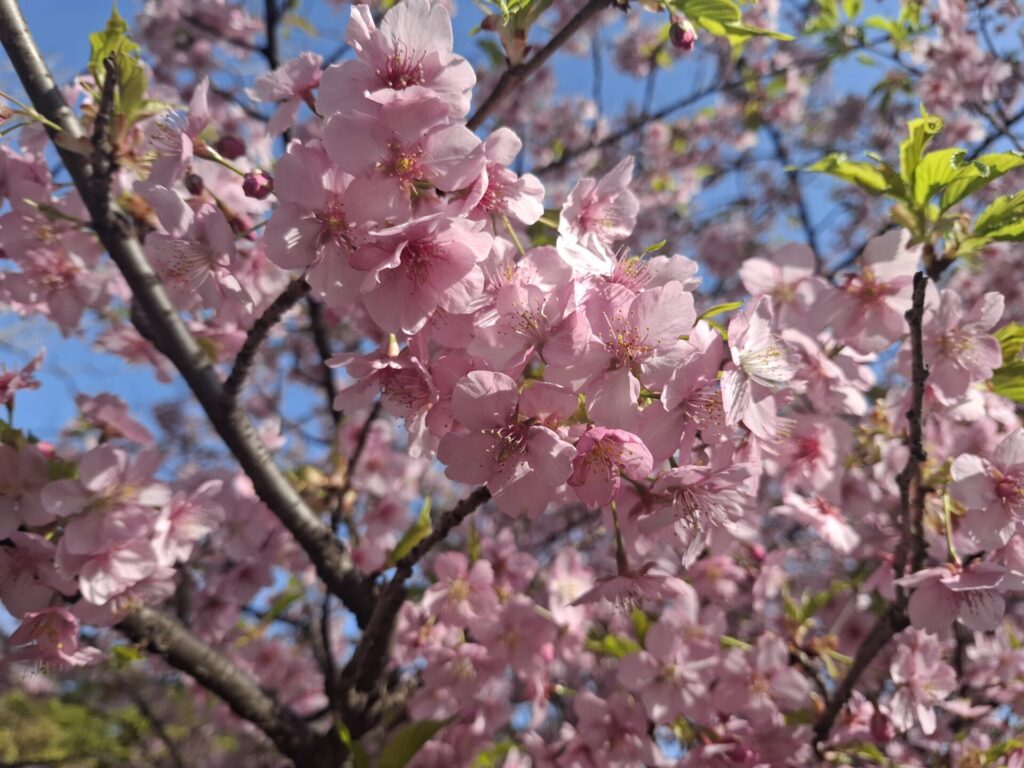
I love this ambiguous transition of seasons. In Japan, we often describe this time of year as Sankan Shion (三寒四温): three cold days followed by four warm ones, alternating back and forth.
The idea of ambiguity reminds me of the conversation I was having with my Dutch partner the other day. I wanted to tell him that I had made a firm decision to move to the Netherlands … a decision without regret. But in my limited Dutch vocabulary, I couldn’t quite find a word that captured what I meant in a nutshell.
In Japanese we can express this in one word: “kakugo (覚悟).” This is similar to “resolve” or “determination” in English but has slightly deeper and heavier meanings with nuance such as toughness, no regrets, and readiness to embrace all the expected hardships with that choice.
So I asked him. “Ummm… I guess we don’t have a specific word as such in Dutch,” he answered. “We usually explain it with a sentence rather than using one word.”
His answer made me reflect on the broader differences between Japanese and Dutch communication styles. Generally speaking, Dutch communication is described as low-context — direct, explicit, and clear. Japanese communication, on the other hand, is described as high-context — meaning that emotions and intentions are often implied rather than directly stated.
Perhaps this is one reason why Japanese has compact words like kakugo, which contain layered meanings within a single term. In Dutch, those same layers might need to be explained more directly and analytically.
From my experiences, the ambiguity of Japanese verbal communication is often a source of misunderstandings as listeners are expected read between the lines based on so-called “shared understanding.” Yet it also has positive aspects. For instance, abstract and nuanced words in Japanese literature allow you to maximize your imagination about the emotions of the characters. Like anything, the communication style in Japan also has both pros and cons.
Thinking about this made me realize something about my own decision to move. Internally, I experience it as kakugo — a settled determination that includes both acceptance and readiness. But when expressing it in Dutch (and maybe in English as well), I may need to articulate it more explicitly… explaining my reasoning, my commitment, and my expectations in concrete terms.
Just like spring does not arrive in a single moment, major life decisions and emotions cannot always be expressed in a single perfect word. Sometimes they exist somewhere between languages — clear in feeling, but requiring different forms of explanation depending on who we are talking with.


A Japanese flexitarian, based in Japan and the Netherlands.
Centered around well-being, I share Japanese plant-based recipes, cross-cultural stories, and ideas for a wholesome, peaceful, intentional life.
Mainly writing in English and Dutch.

Your words make my day!