The Art of "Niksen"
Musu
Zen In Onigiri


I’ve read about a supermarket in the Netherlands giving away leftover bread to a food bank!

I wish we could do that easily in Japanese supermarkets too…by changing consumer attitudes.

Maybe their systems are also different… but either way, it’s nice when food finds people, not trash bins :))
Food waste is a global issue, but the way each country deals with it reflects its culture and social structure.
In this post, let’s dig deeper into how supermarkets in the Netherlands and Japan are turning food loss into sharing!
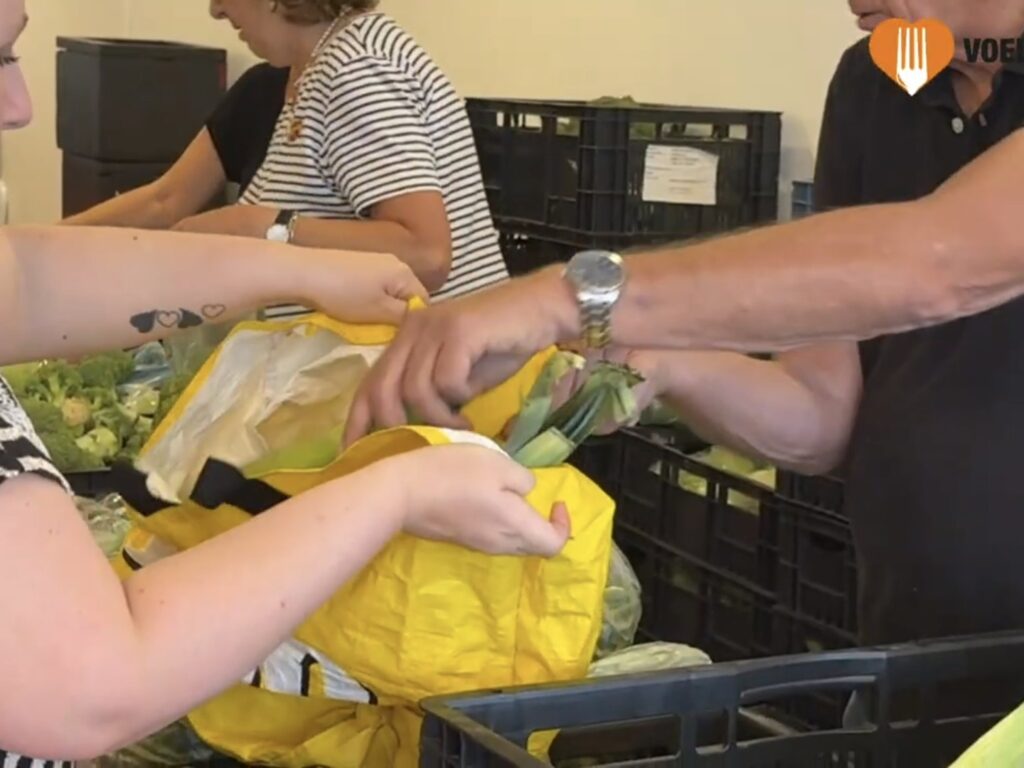
In the Netherlands, voedselbanken Houten (=food banks) Nederland operates more than 200 branches nationwide, redistributing surplus food from supermarkets to around 100,000 households weekly.
Major supermarket chains (e.g., Albert Heijn, Jumbo) regularly donate unsold or expiring food such as bread, vegetables, and condiments.
Although the 2023 article by DutchNews reports that surplus donations by supermarkets fell by 20% due to improved efficiency, Voedselbank Nederland still plays a pivotal role in both helping people in need and reducing food waste.
Below is a YouTube video from Voedeselbank Nederland. The video is in Dutch, but it allows you to visualize what it’s like.
I’ve seen it taking place at Albert Heijn once during my exchange year in the Netherlands.
There seem to be several factors that allow such well-organized food sharing to work. Here are five primary reasons, in my opinion.
Although challenges remain in the Netherlands, it’s impressive to make such a nationwide sharing function!
Then…what about Japan?
As of fiscal year 2023, Japan generates around 4.64 million tons of food waste per year, roughly equivalent to 37 kg per person.
37 kg means… every Japanese citizen wastes the equivalent weight of 250 onigiri (rice balls).
250 of us thrown away!? OMGggg
Despite the Japanese government’s statement to halve food waste by 2030 compared to 2000, progress has been slight, as shown below.
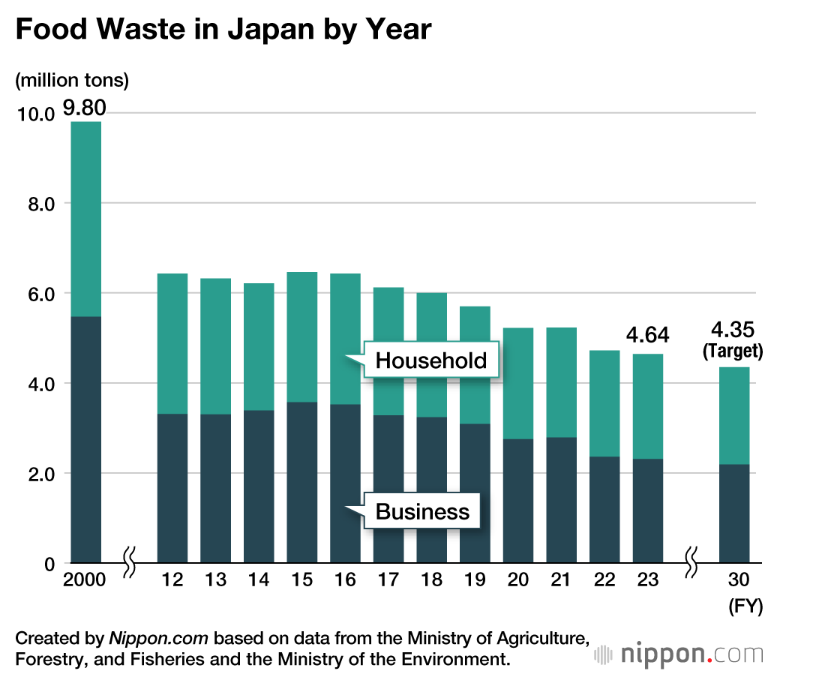
As indicated in the graph above, around half of the total waste amount comes from the food industry, including retail. (The other half is from households.)
And needless to say, supermarkets are the go-to retailers for many of us. That’s why supermarkets play a central role in the food waste discussion.
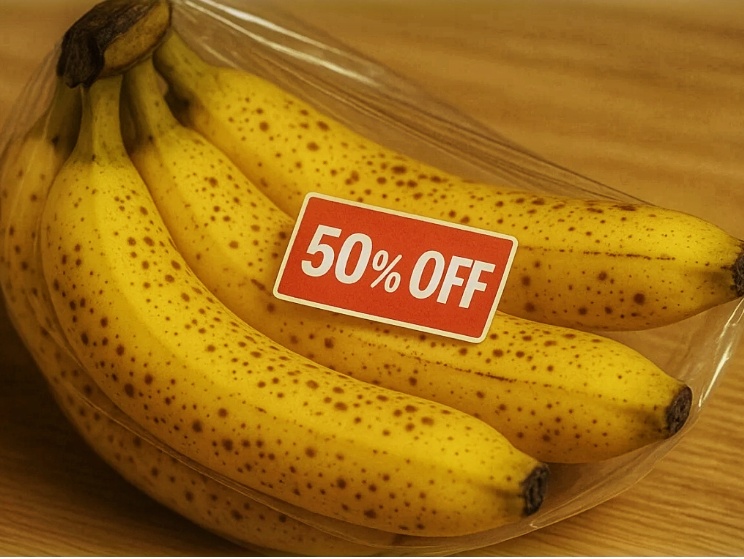

But what makes it so difficult for Japanese grocery stores to engage in donating goods that are otherwise wasted?
From my viewpoint, there are mainly four obstacles.
Let’s say you are a distributor. You received a set of new items from manufacturers, whose production date is Feb 1 and whose expiry date is May 1.
According to Japan’s “One-third Rule,” you must have the items delivered to retailers by Mar 1. Likewise, retailers must sell them by Apr 1. (Look at the figure below.)
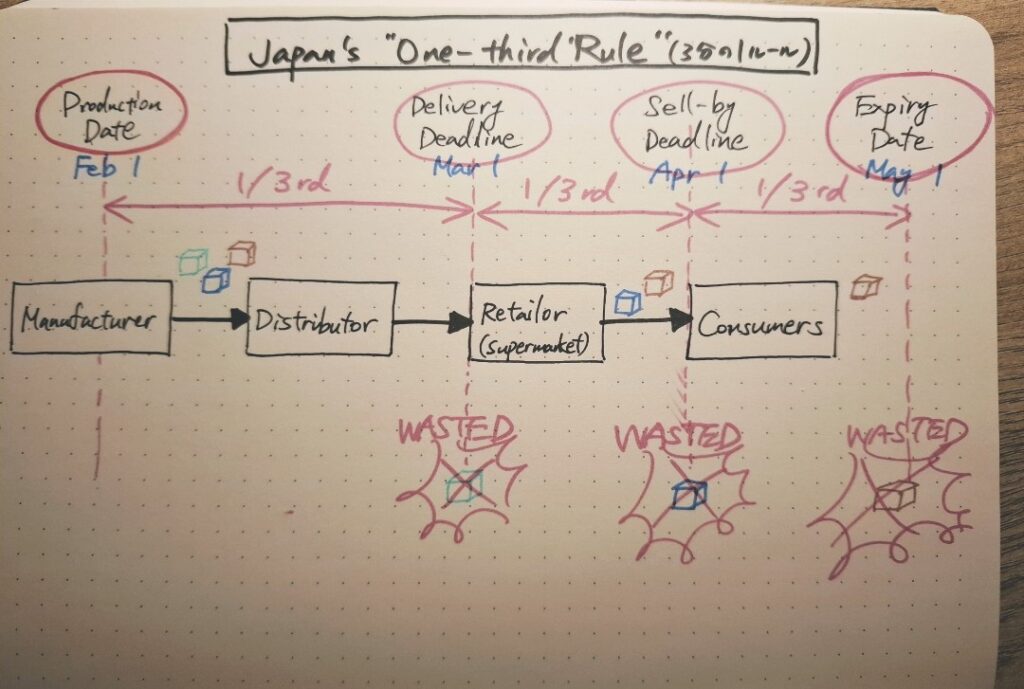
Here’s the thing: if the items pass one day past the 1/3 deadline, they need to be disposed of…
Such a short inventory regulation― shorter than other nations like the US (1/2nd) and the UK (3/4nd) ― causes premature disposal of edible food.
Before arriving at supermarkets, food products go through multi-layered intermediaries (e.g., JA Cooperatives, logistics hubs, and several distributors). As someone working in multiple food sectors in Japan, I know this first-hand: yes, very complicated networks like the figure below…
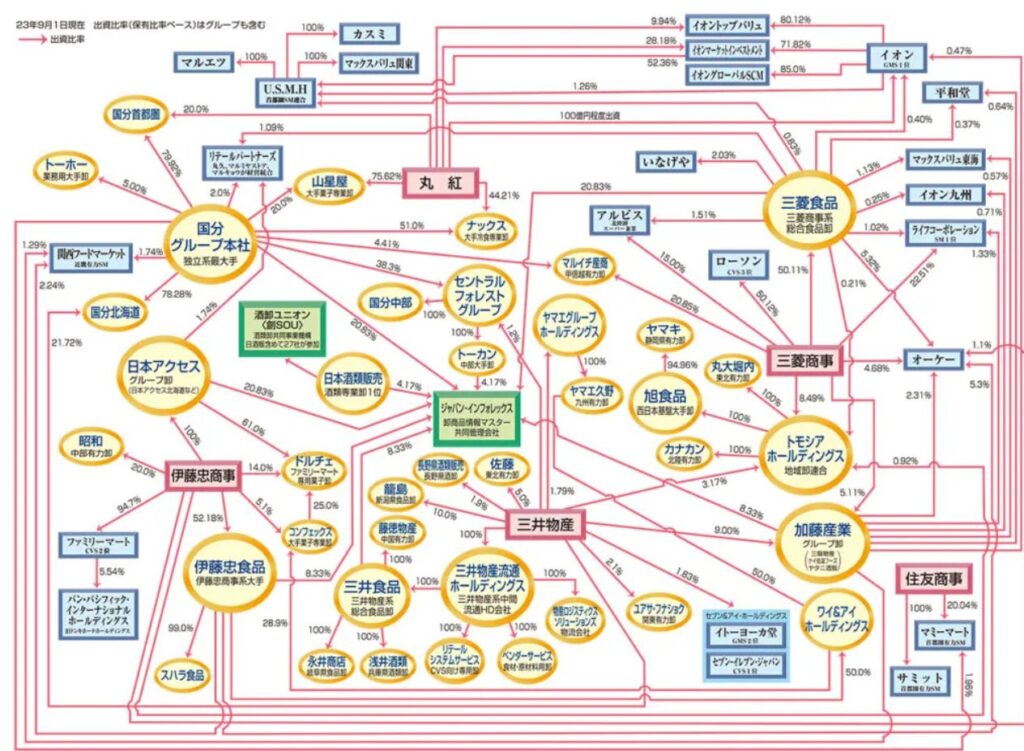
That’s why it’s not easy to make logistical changes in collecting, storing, and redistributing surplus food in the whole supply chain.
In 2019, the Act for Promoting Food Waste Reduction was enacted by the Japanese government. But unfortunately, it entails no punishment for breaching its policies.
Companies often prioritize brand safety over sustainability when regulations are ambiguous. Without strong incentives (like rewards or punishments), they are likely to avoid actions with potential reputational risk.
Maruetsu ― a Tokyo-based supermarket chain ― has installed in-store collection boxes for food drives, where consumers can donate unopened, non-perishable food from home. The collected items are delivered to local food banks such as NPO Lion Heart and Second Harvest Japan.
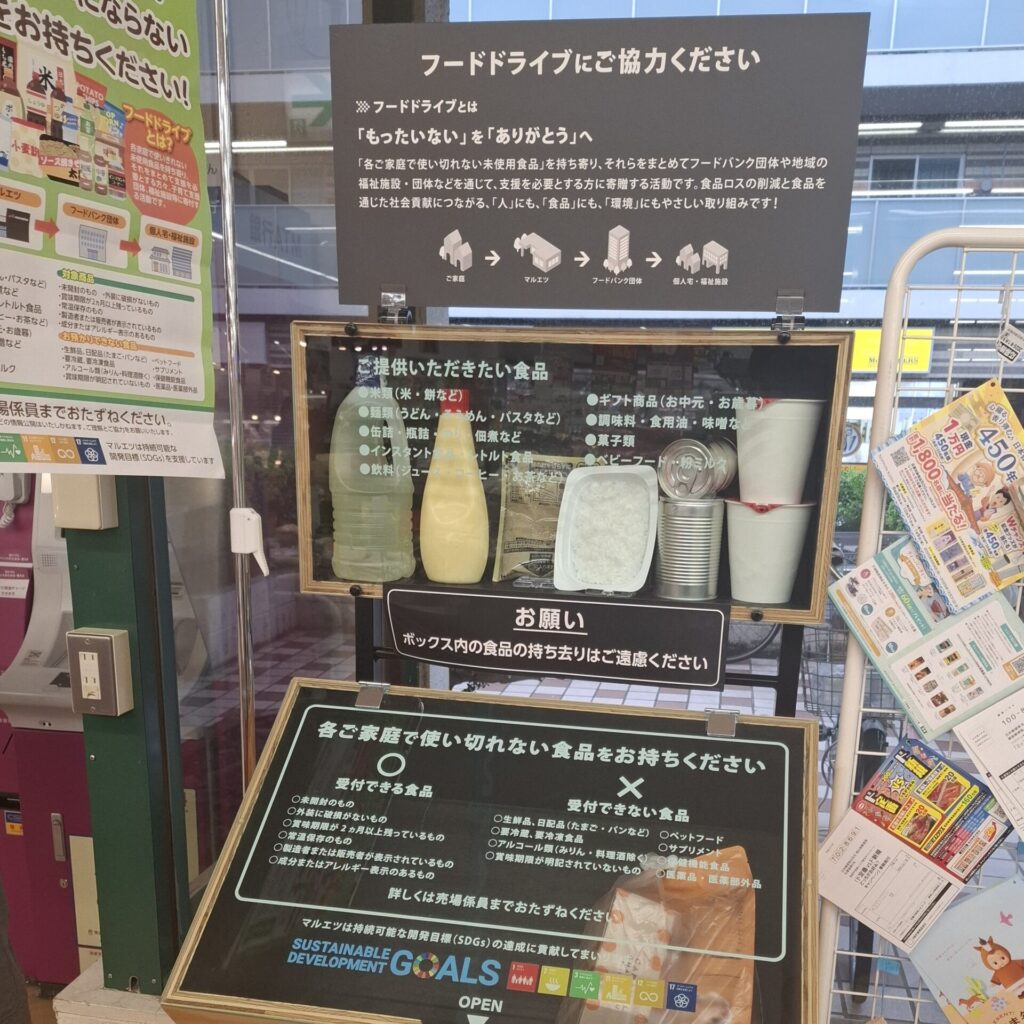
Although collection boxes at supermarkets are a progress, I think multiple challenges remain in Japan: Unlike Voedselbank Nederland, Japan’s food drives do not accept perishable fresh food (e.g., bread, vegetables, and dairy) for fear of food safety and hygiene. Moreover, surplus food for donations must be from households, not from retail supply chains.
For this, it’s not systematized, remaining highly dependent on voluntary actions by consumers. I don’t know if such donations outside of the mainstream retail logistics are really effective and sustainable in the grand scheme of things.
By the way, when I was working for a Japanese supermarket, taking expired food home was strictly prohibited, mainly for fear of corporate risks with safety concerns… so, the arguments above resonate with me.
| Cleanliness, appearance, and safety. | Netherlands | Japan |
|---|---|---|
| Main System | Nationwide food bank, associated with supermarkets | Mostly by regional NPOs (No nationwide systems) |
| National & Corporate Attitudes | Strong collaboration supported by EU guidelines and national targets | Weak policy enforcement without incentives → companies remain risk-averse |
| Consumer Attitude | High awareness of food waste and sustainability | Cleanliness, appearance, and safety |
| Challenges | Managing consistent supply and logistics | “One-third rule,” complicated supply chains, and strict food-safety culture and expectations |
Though their paths differ, both countries are heading in the same direction: transforming food waste into warmth by giving it a second life.
Right. As seen in the case of food banks, what would otherwise be discarded can become a source of connection and love.
What do you think? Let me know in the comments below!

A Japanese flexitarian, based in Japan and the Netherlands.
Centered around well-being, I share Japanese plant-based recipes, cross-cultural stories, and ideas for a wholesome, peaceful, intentional life.
Mainly writing in English and Dutch.



Your words make my day!